What Does Being Shot Feel Like? Pain, Shock, And Survival
What does being shot feel like? Explore the physical and emotional impact of gunshot wounds. Understand the sensation, recovery, and long-term effects.
Author:Xander OddityReviewer:Dr. Felix ChaosphereFeb 22, 2024
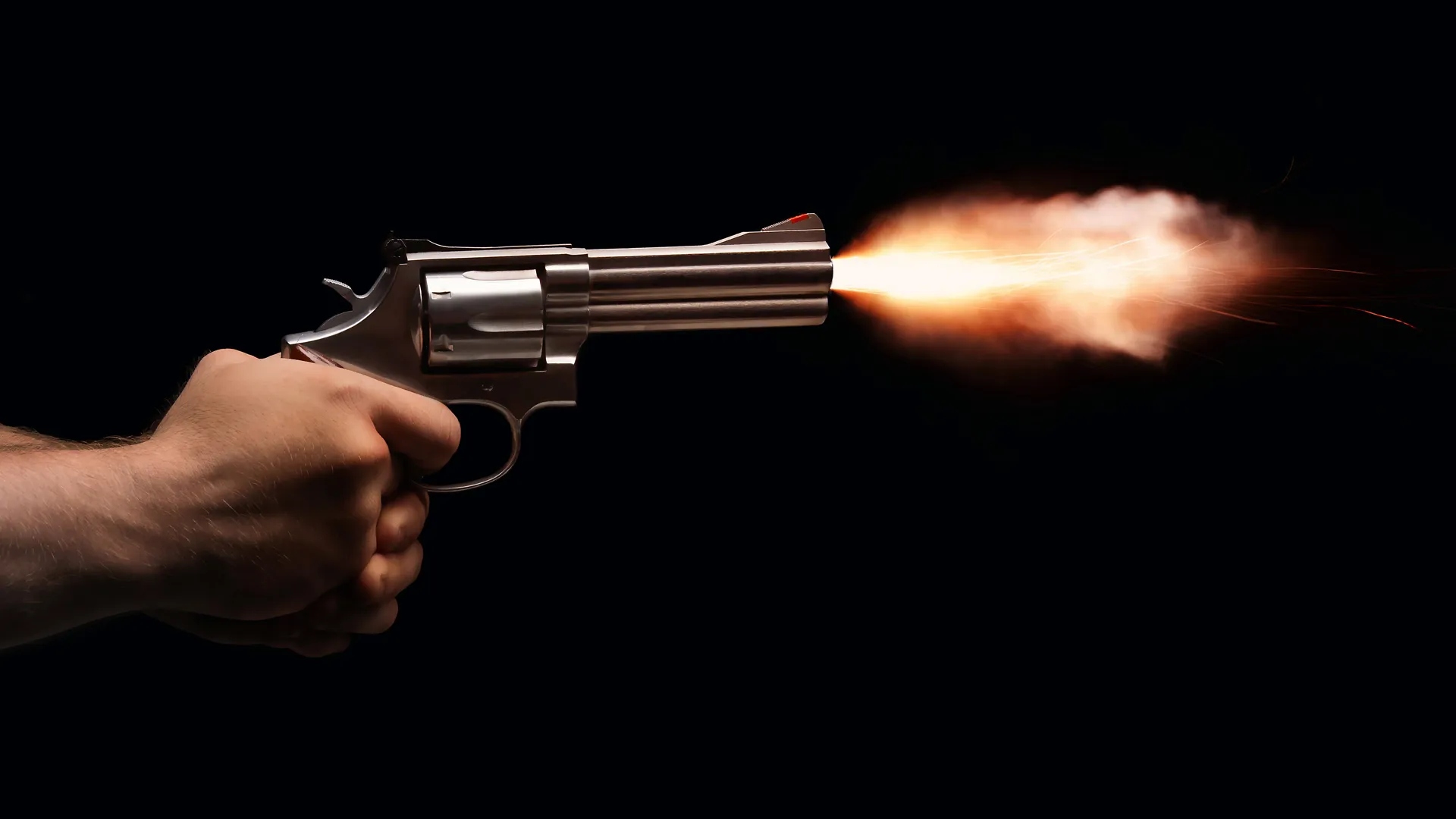
Experiencing being shot is a traumatic event that varies widely depending on factors such as the type of weapon used, the location and severity of the injury, and the individual's physical and psychological response. So, what does being shot feel like? Let's discuss in detail.
While it's impossible to fully capture the sensation without firsthand experience, we can explore common descriptions and medical insights to understand what does being shot feel like.
Initial Impact
The immediate sensation of being shot often involves a sudden, intense pain or pressure at the site of the wound. This sensation can be accompanied by a feeling of heat or burning as the bullet tears through tissues, muscles, and organs. The force of impact can cause shock and disorientation, with the body instinctively going into survival mode.

Pain And Shock
The level of pain experienced can vary depending on factors such as the caliber of the bullet, the velocity at which it travels, and the location of the injury. Shots to areas with dense nerve endings, major blood vessels, or vital organs typically result in more intense pain and immediate shock.
Individual responses to pain can also vary greatly. Some people may experience a numbing sensation or adrenaline-induced temporary insensitivity to pain, while others may feel excruciating agony.
Everybody's experience with pain varies, ranging from intense to negligible. What does that indicate, then?
- Pain and nociception are two different concepts that are frequently confused.
- Everyone experiences pain differently, therefore it's impossible to predict how much someone will or won't hurt.
- The amount of tissue damage alone will not determine how much pain is felt; otherwise, all pain sensations would be the same.
Physical Effects
The physical effects of being shot extend beyond the initial impact and pain. Bullets can cause extensive damage to the body, leading to bleeding, tissue trauma, and potential organ damage. In severe cases, the body's natural response to trauma, such as increased heart rate and blood pressure, can exacerbate the injury.
Depending on the trajectory and energy of the bullet, it may fragment upon impact, causing secondary injuries and complicating medical treatment. Additionally, the shockwave from the bullet's passage through tissue can disrupt nearby structures, further contributing to the overall trauma.
Psychological Trauma
In addition to the physical sensations, being shot often results in significant psychological trauma. Survivors may experience a range of emotions, including fear, anger, disbelief, and profound vulnerability. The sudden and violent nature of being shot can leave lasting psychological scars, manifesting as post-traumatic stress disorder (PTSD) or other mental health conditions.
Medical Treatment
Prompt medical intervention is crucial for anyone who has been shot. Depending on the severity of the injury, treatment may involve controlling bleeding, stabilizing vital signs, and surgically removing the bullet and repairing damaged tissues. Pain management is also a priority, with healthcare providers using a combination of medications and techniques to alleviate discomfort and promote healing.
Recovery And Rehabilitation
Recovering from a gunshot wound can be a long and arduous process. Physical rehabilitation may be necessary to regain strength, mobility, and function in affected limbs or areas of the body. Mental health support is also essential for addressing the emotional trauma associated with being shot and rebuilding a sense of safety and security.
What Does It Feel Like To Get Shot Wearing A Bulletproof Vest?
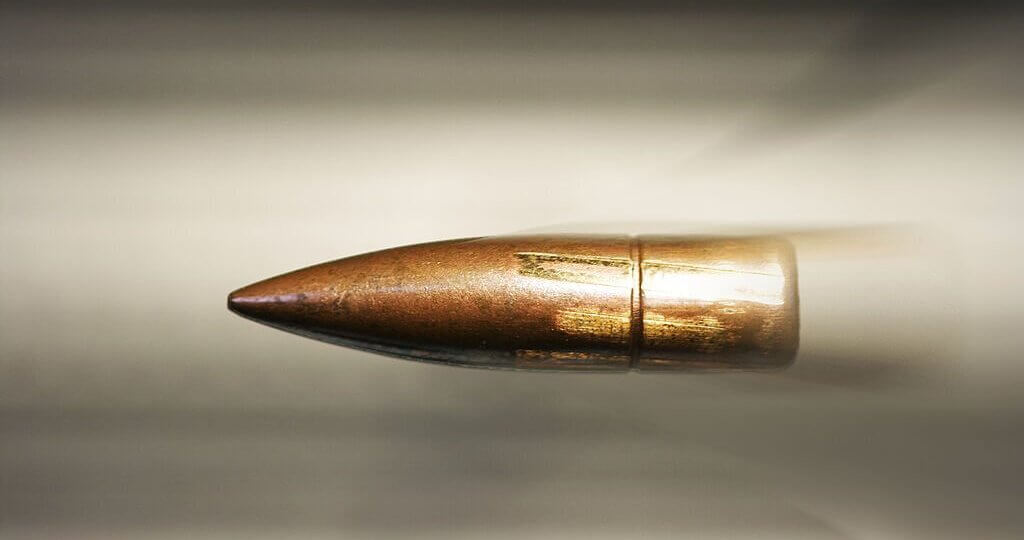
In essence, bulletproof vests function by offering a layer of material that is impervious to gunshot penetration.
Usually, a variety of elements are used to create this substance, including ceramic plates, metal, and layers of cloth. A bulletproof vest will absorb the energy of a bullet that strikes it.
This energy will disperse the impact's force over a greater surface area. This lessens the chance that the bullet will enter the body and cause fatalities or severe injuries.
If you wish to defend yourself from handgun bullets with modest velocity, go for a simpler vest. Invest in a heavier vest to shield yourself against rifle rounds with high velocities.
It's also critical to remember that bulletproof vests don't last forever. This implies that you will require a new vest at some point. This is because, with time, the materials that make up the vest may get weaker or broken.
Whether or not getting shot while wearing a bulletproof vest hurts is hard to say for sure. This is due to the fact that getting shot will differ greatly from person to person.
Some survivors of gunshot wounds while donning bulletproof vests have described experiencing a burning, piercing pain. Some people have said that they felt more like a thump. People have occasionally claimed to have very no discomfort at all.
The bullet's caliber is one of the key elements that will decide how painful it will be to be shot while wearing a bulletproof vest.
Generally speaking, bullets with larger calibers will impart greater energy upon impact. As a result, you will most likely experience severe discomfort.
The level of pain someone experiences can also be influenced by the distance at which a bullet is fired. In general, bullets fired from a closer range will hurt more than those shot from a farther range.
The kind of vest that someone is wearing might also have an impact on how much discomfort they experience. Certain vests offer increased bullet resistance. However, wearing them could be less comfortable. While some vests are more comfortable than others, they could not provide as much bullet protection.
What Does Being Shot Feel Like? - FAQs
How Does Being Shot Affect The Body?
Being shot can cause extensive damage to tissues, muscles, and organs, leading to bleeding, trauma, and potential organ damage. The shockwave from the bullet's passage can also disrupt nearby structures.
What Does Being Shot In The Chest Feel Like?
You have dizziness, dyspnea, and discomfort in your chest. You produce a bloody cough. Breathing is difficult for you.
What Happens To The Body When Someone Gets Shot?
When someone gets shot, the bullet can cause immediate pain, bleeding, and tissue damage. The body's natural response to trauma, such as increased heart rate and blood pressure, further complicates the injury.
What Is The Medical Treatment For Gunshot Wounds?
Medical treatment for gunshot wounds may involve controlling bleeding, stabilizing vital signs, and surgically removing the bullet and repairing damaged tissues. Pain management and rehabilitation are also important aspects of treatment.
How Long Does It Take To Recover From A Gunshot Wound?
Recovery from a gunshot wound can vary depending on the severity of the injury and individual factors. It may take weeks to months for physical wounds to heal, and psychological recovery may take even longer.
What Does Being Shot With A Taser Feel Like?
When someone is stunned with a stun gun, they may experience severe physical pain and shock that frequently leaves them feeling as though they have been struck by a strong electrical shock. Frequently, the electric shock is powerful enough to induce severe muscular spasms that produce excruciating agony throughout the body.
How Can Survivors Of Gunshot Wounds Cope With The Experience?
Survivors of gunshot wounds can cope with the experience by seeking support from loved ones, mental health professionals, and support groups. Developing coping strategies, such as mindfulness and self-care, can also be helpful.
What Can Be Done To Prevent Gunshot Wounds?
Preventing gunshot wounds requires comprehensive strategies, including promoting gun safety measures, addressing underlying social determinants of violence, and implementing policies to reduce access to firearms among high-risk individuals.
Conclusion
What does being shot feel like? Being shot is a harrowing experience that encompasses intense physical pain, psychological trauma, and potential long-term consequences. While descriptions of the sensation vary among survivors, the overall impact is universally profound. Understanding the complexities of being shot underscores the importance of violence prevention, emergency medical preparedness, and comprehensive support for survivors on their journey to healing and recovery.

Xander Oddity
Author
Xander Oddity, an eccentric and intrepid news reporter, is a master of unearthing the strange and bizarre. With an insatiable curiosity for the unconventional, Xander ventures into the depths of the unknown, fearlessly pursuing stories that defy conventional explanation. Armed with a vast reservoir of knowledge and experience in the realm of conspiracies, Xander is a seasoned investigator of the extraordinary.
Throughout his illustrious career, Xander has built a reputation for delving into the shadows of secrecy and unraveling the enigmatic. With an unyielding determination and an unwavering belief in the power of the bizarre, Xander strives to shed light on the unexplained and challenge the boundaries of conventional wisdom. In his pursuit of the truth, Xander continues to inspire others to question the world around them and embrace the unexpected.

Dr. Felix Chaosphere
Reviewer
Dr. Felix Chaosphere, a renowned and eccentric psychiatrist, is a master of unraveling the complexities of the human mind. With his wild and untamed hair, he embodies the essence of a brilliant but unconventional thinker. As a sexologist, he fearlessly delves into the depths of human desire and intimacy, unearthing hidden truths and challenging societal norms.
Beyond his professional expertise, Dr. Chaosphere is also a celebrated author, renowned for his provocative and thought-provoking literary works. His written words mirror the enigmatic nature of his persona, inviting readers to explore the labyrinthine corridors of the human psyche.
With his indomitable spirit and insatiable curiosity, Dr. Chaosphere continues to push boundaries, challenging society's preconceived notions and inspiring others to embrace their own inner tumult.
Latest Articles
Popular Articles