Alabama Supreme Court Ruling On Frozen Embryos That "Frozen Embryos Akin To Children" Leaves Legal And Personal Dilemmas
Explore the implications of the Alabama Supreme Court ruling on frozen embryos and understand the legal status of frozen embryos in Alabama. Learn how this groundbreaking decision impacts vitro fertilization (IVF) procedures and the choices available to families with stored embryos.
Author:Xander OddityReviewer:Dr. Felix ChaosphereFeb 27, 2024
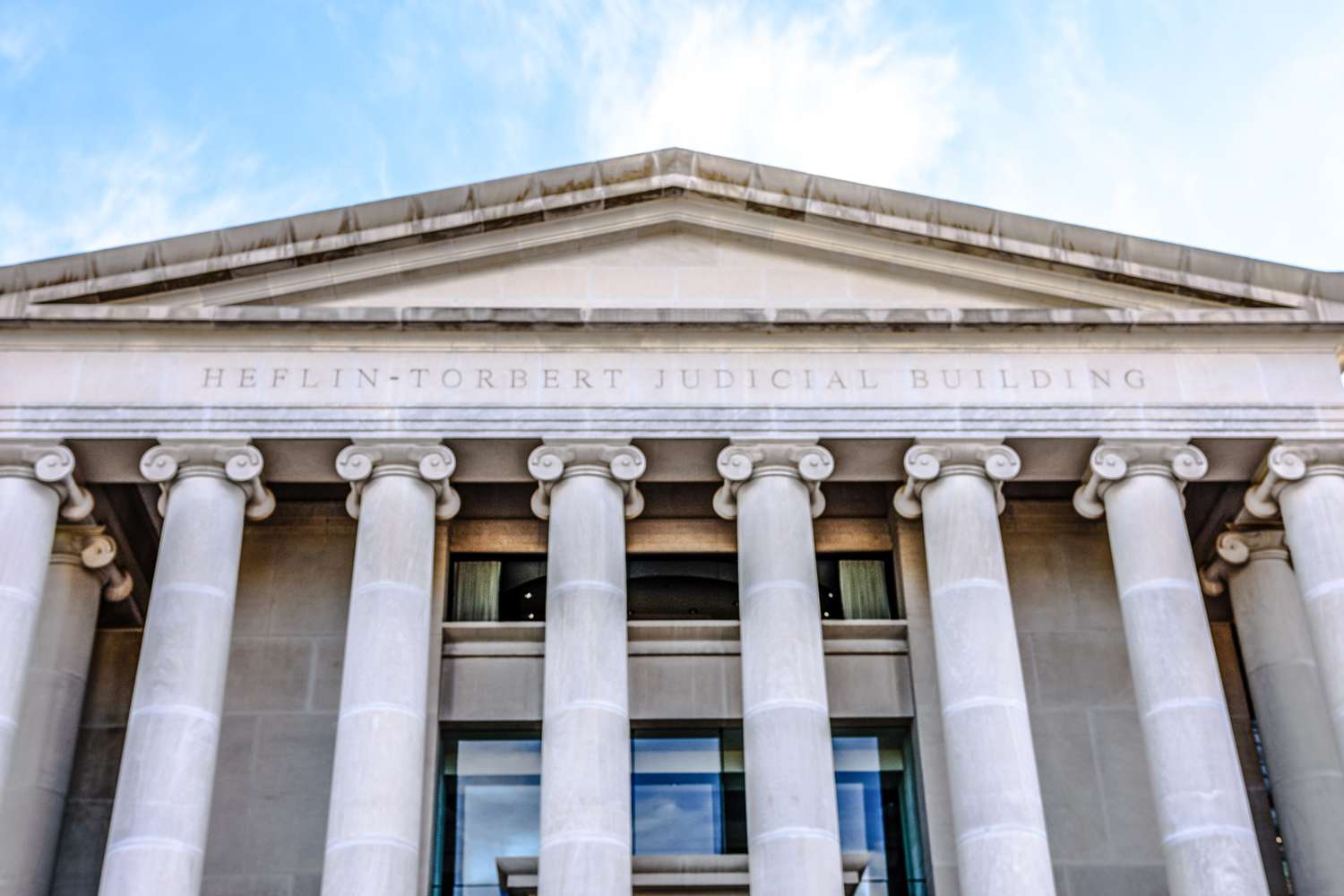
When the Alabama Supreme Court ruling on frozen embryosdeclared frozen embryos as legally equivalent to children, it sent shockwaves through the state and the nation. This unprecedented ruling has not only sparked legal uncertainties but has thrust families, fertility clinics, and lawmakers into uncharted territory.
The ramifications extend beyond Alabama's borders, raising questions about the future of in vitro fertilization (IVF) and the status of over a million frozen eggs and embryos across the United States.
Why And How Frozen Embryos Are Created
In vitro fertilization (IVF), developed in the 1970s, has become a pivotal solution for couples facing infertility or utilizing surrogacy.
According to Andrew Harper, medical director of Huntsville Reproductive Medicine in Madison, Alabama, "For a sizeable portion of our infertility population, IVF is a patient’s best and often only option."
Approximately 2% of babies in the United States are born through IVF, emphasizing its widespread impact.
During IVF, eggs are removed from the patient's body, combined with sperm in a laboratory, and the resulting embryos are transferred into the uterus with the hope of achieving pregnancy. However, due to the inherent inefficiency of the process, more embryos are often fertilized than needed.
As Eve Feinberg, associate professor of obstetrics and gynecology at Northwestern University, explains, "The science behind IVF really shows that one single fertilized egg is not enough." This inefficiency leads to the existence of frozen embryos, a crucial aspect of the IVF landscape.

The Complex Decision-Making Process For Frozen Embryos
Patients undergoing IVF may choose to freeze embryos instead of implanting them immediately. Freezing allows for genetic testing, especially vital for those with a family history of genetic conditions. It also provides an option for cancer patients at risk of losing fertility during treatment to preemptively freeze eggs or embryos.
Additionally, parents may choose to freeze embryos after IVF for various reasons, including delaying pregnancy.
Kristia Rumbley, a mother of four, shared her experience of undergoing one round of IVF in 2015, resulting in six healthy embryos and the birth of three children. However, keeping embryos frozen indefinitely comes with its own set of challenges, including yearly storage costs ranging from $500 to $1,000.
Alabama Supreme Court Ruling On Frozen Embryos
Alabama's Supreme Court ruling, declaring frozen embryos as legally equivalent to children, has thrown the future of IVF into disarray. The decision stipulates that people can be held liable for the destruction of frozen embryos, leaving clinics and patients grappling with legal uncertainties.
At least three Alabama clinics have temporarily halted certain IVF operations due to concerns about potential legal ramifications.
In response, Democrats in the Alabama state House introduced a bill aiming to clarify that "any fertilized human egg or human embryo that exists outside of a human uterus is not considered an unborn child or human being for any purposes under state law."
Seema Mohapatra, a law professor specializing in health law and reproductive rights, commented on the typical legal status of embryos, stating, "Typically, embryos are regarded as property. The owner of that personal property can do what they want with it."
However, Alabama's ruling has elevated the legal status of embryos to being "akin to children," introducing unprecedented challenges.
Families Struggle With Difficult Choices
Individuals like Kristia Rumbley and Lauren Bowerman, both with frozen embryos stored in Alabama, are now faced with difficult decisions.
Rumbley expressed concerns about potential government intervention, stating, "If they have the same rights as a child who’s born, then that would mean that the government has the same right to take a child away from me."
This legal ambiguity has prompted some families to consider moving their embryos out of state to navigate the uncertain legal landscape.
Lauren Bowerman, who has one daughter born through IVF and five embryos frozen at the University of Alabama at Birmingham’s clinic, highlighted the emotional impact of the ruling.
She expressed frustration and grief over the resulting delay in her embryo transfer, emphasizing the additional timeline considerations for growing her family.
Medical Community Response
The Medical Association of the State of Alabama warned of "enormous potential for civil liability" for fertility specialists due to potential damage or unsuitability of embryos during IVF. Despite reassurances from Alabama's Attorney General that there is no intention to prosecute IVF providers or patients, clinics are adapting their practices. Some have transitioned to offsite cryostorage to address the legal complexities introduced by the ruling.
Andrew Harper, the medical director in Madison, confirmed that his facility is continuing IVF procedures but has temporarily paused the destruction of embryos. The facility is now considering storing embryos at an offsite cryostorage company in Minnesota, highlighting the dilemma of embryos abandoned for extended periods due to legal uncertainties.
Last Week Tonight Comedian John Oliver Weighs In On Frozen Embryos
The Alabama Supreme Court's decision has garnered national attention, with comedian John Oliver addressing the issue on Last Week Tonight. Oliver criticized the decision's alignment with far-right efforts to restrict reproductive rights and abortion. He said the issue is "wrong for a bunch of reasons—mainly if you freeze an embryo, it’s fine. If you freeze a person you have some explaining to do."
The ruling has led to the immediate cessation of treatments at numerous fertility clinics in Alabama, affecting couples undergoing IVF.
The controversial decision prompted a response from former President Donald Trump, who publicly supported IVF while simultaneously planning a 16-week national abortion ban.
Oliver said, "There are politicians currently desperately trying to distance themselves from extreme policies that they have enabled. You can say we’re not trying to ban or burn books, but that’s what you’re doing. You can say we just want more kids but you’re making life incredibly hard for people, including those who desperately want them. Burning books and ending IVF are the natural endpoints of the extreme policies they’ve held hands with, and if they are not at least willing to own those consequences, then they can, in the words of what I believe to be this country’s greatest public speaker…Eat a butthole."
Oliver highlighted the inconsistencies in political positions, emphasizing the consequences for individuals and families seeking reproductive assistance.
FAQs About Alabama Supreme Court Ruling On Frozen Embryos
What Does Alabama's Supreme Court Ruling Entail For Frozen Embryos?
The ruling declares that frozen embryos are legally equivalent to children. This means individuals can be held liable for the destruction of these embryos, creating a legal status akin to living human beings.
How Does The Ruling Impact In Vitro Fertilization (IVF) Procedures In Alabama?
Several IVF clinics have temporarily paused certain operations due to legal concerns. The ruling introduces uncertainties about the fate of unused embryos, affecting patients and clinics alike.
Can Families Still Choose To Discard Or Donate Their Frozen Embryos?
The ruling complicates these decisions. Embryos, once regarded as property, are now considered akin to children, raising questions about individuals' rights to make choices regarding their frozen embryos.
How Are Fertility Specialists Responding To The Ruling?
Fertility specialists in Alabama are adapting their practices to navigate potential civil liability. Some clinics have transitioned to offsite cryostorage to address legal complexities, impacting the handling of abandoned embryos.
Are There Efforts To Challenge Or Clarify The Ruling?
Democrats in the Alabama state House have introduced a bill aiming to clarify the legal status of fertilized human eggs or embryos. The legal landscape is dynamic, with ongoing discussions about potential legislative adjustments.
What Options Do Families With Frozen Embryos Have In Light Of This Ruling?
Some families are considering moving their embryos out of state to navigate the uncertain legal environment. The ruling prompts families to reassess their choices and explore options to ensure the future of their frozen embryos.
Conclusion
Alabama Supreme Court ruling on frozen embryos has unleashed a myriad of legal and personal challenges. Families, fertility clinics, and lawmakers are navigating uncharted territory as they grapple with the implications of considering frozen embryos as legally equivalent to children.
The future of IVF and the fate of over a million frozen eggs and embryos across the United States remain uncertain, prompting a critical examination of the intersection between reproductive technology and legal interpretation.
Jump to
Why And How Frozen Embryos Are Created
The Complex Decision-Making Process For Frozen Embryos
Alabama Supreme Court Ruling On Frozen Embryos
Families Struggle With Difficult Choices
Medical Community Response
Last Week Tonight Comedian John Oliver Weighs In On Frozen Embryos
FAQs About Alabama Supreme Court Ruling On Frozen Embryos
Conclusion

Xander Oddity
Author
Xander Oddity, an eccentric and intrepid news reporter, is a master of unearthing the strange and bizarre. With an insatiable curiosity for the unconventional, Xander ventures into the depths of the unknown, fearlessly pursuing stories that defy conventional explanation. Armed with a vast reservoir of knowledge and experience in the realm of conspiracies, Xander is a seasoned investigator of the extraordinary.
Throughout his illustrious career, Xander has built a reputation for delving into the shadows of secrecy and unraveling the enigmatic. With an unyielding determination and an unwavering belief in the power of the bizarre, Xander strives to shed light on the unexplained and challenge the boundaries of conventional wisdom. In his pursuit of the truth, Xander continues to inspire others to question the world around them and embrace the unexpected.
Dr. Felix Chaosphere
Reviewer
Dr. Felix Chaosphere, a renowned and eccentric psychiatrist, is a master of unraveling the complexities of the human mind. With his wild and untamed hair, he embodies the essence of a brilliant but unconventional thinker. As a sexologist, he fearlessly delves into the depths of human desire and intimacy, unearthing hidden truths and challenging societal norms.
Beyond his professional expertise, Dr. Chaosphere is also a celebrated author, renowned for his provocative and thought-provoking literary works. His written words mirror the enigmatic nature of his persona, inviting readers to explore the labyrinthine corridors of the human psyche.
With his indomitable spirit and insatiable curiosity, Dr. Chaosphere continues to push boundaries, challenging society's preconceived notions and inspiring others to embrace their own inner tumult.
Latest Articles
Popular Articles